A Year of Action and Advocacy
Looking back at 2025, one thing stands out: this was the year communities showed up for their first responders. From small-town referendums to sweeping state legislation, we saw bond measures pass with decisive margins, health protections enshrined into law, and long-overdue funding mechanisms finally put in place.
Yet the year was not without its setbacks. For every celebration, there was a sobering reminder that progress requires hard work and strategic communication, not just good intentions. As we close out 2025 and prepare for the challenges ahead, let us examine what worked, where we fell short, and how we move forward stronger in 2026.
Victories: Local and Legislative Wins Across the Map
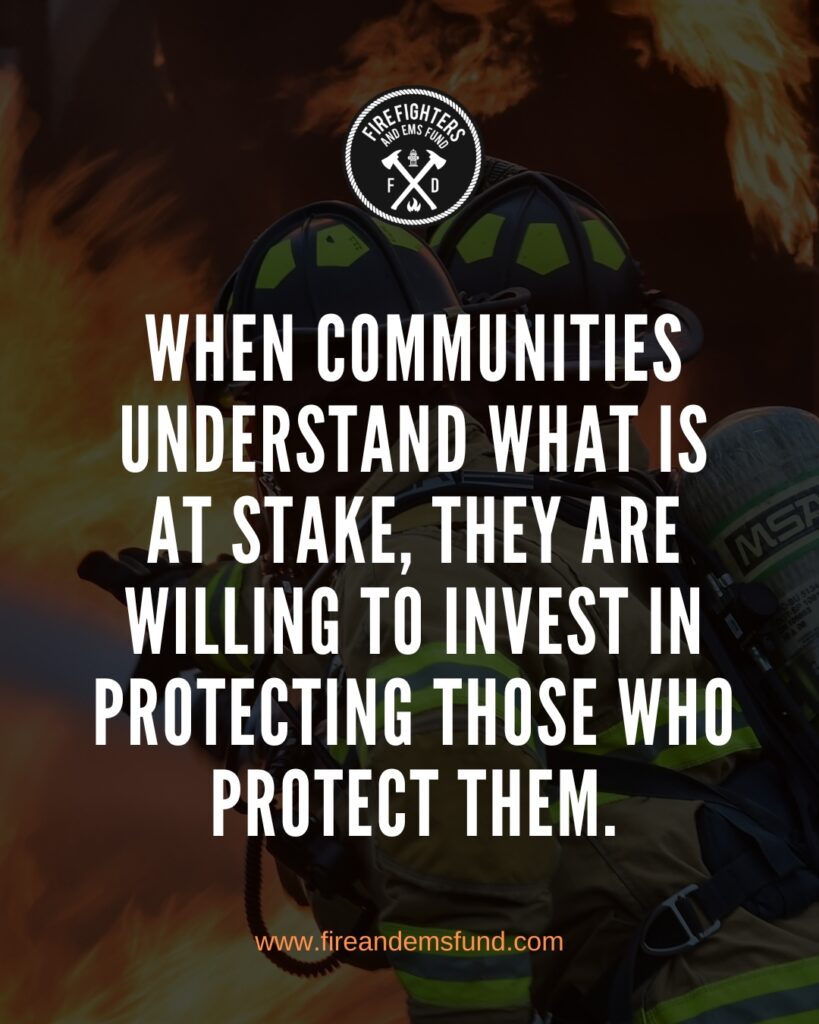
This year proved that when communities understand what’s at stake, they’re willing to invest in protecting those who protect them. From bond measures to groundbreaking health legislation, 2025 delivered significant wins for first responders nationwide.
Texas saw significant advances on multiple fronts:
In Galveston, a $10 million bond to replace Fire Station No. 2 passed with 62% of the vote. The new infrastructure will directly improve firefighter health and safety, as the old station exposed crews to diesel exhaust in their sleeping quarters, a cancer risk that the new facility will eliminate.
At the state level, the new “Flood Siren” bill (SB2) authorized early-warning sirens in the event of a flood, following the devastating July 4 weekend floods that claimed 137 lives. This legislation addresses critical gaps in emergency warning systems, directly improving public safety and first-responder operations.
Meanwhile,Florida delivered the most significant advancement in firefighter health policy in a generation with HB929. The law mandates cancer-free gear, mental health initiatives, and comprehensive prevention of occupational diseases. It sets a new gold standard that other states should follow.
New Mexico set the tone early with a decisive victory in Albuquerque. Voters approved a $12.63 million bond to fund critical upgrades to Albuquerque Fire Rescue and emergency services. With over 73% of the vote, it showcased overwhelming support for first responders. This is the kind of mandate that transcends politics and speaks to fundamental community values.
Louisiana took a proactive approach to firefighter health with Act 554, which requires all active firefighters to receive free cancer screenings. By removing financial barriers to early detection, the state recognized that when cancer is caught early, survival rates soar and treatment costs drop.
Pennsylvania expanded municipal authority under Act 54, allowing over 1,400 municipalities to levy taxes for fire and EMS services. Some boroughs saw their fundraising capacity double, providing long-overdue relief to volunteer-dependent departments struggling with inadequate funding.
Illinois showed that persistence pays off. Harvard residents approved a referendum to increase the fire protection tax levy after a 2024 attempt to do so failed. The department learned from that defeat, adjusted its approach, and secured the funding needed for equipment and staffing.
Next, Wisconsin added to this momentum, as voters in the city of Marshfield passed a $2.5 million public safety referendum. At the same time, the state passed AB197, which advanced protections for EMS professionals and expanded certification reciprocity.
Finally, this year also yielded a major nationwide victory. At the federal level, Trump’s Executive Order on wildfire preparedness strengthened coordination for first responders. The proposed Public Safety Officer Free Speech Act advances protections for first responders’ right to advocate for safer working conditions. So we will be keeping an eye on this one for 2026.
Challenges and Losses: What Didn’t Go Our Way
Not every battle ended in victory. This year also saw some key electoral losses, especially in Wisconsin and Illinois.
In these states, we saw a troubling trend: 8 out of 14 fire and EMS referendums failed at the ballot box. Despite the urgent need for public safety infrastructure, voters said no.
Why? The reasons varied by location, so the patterns were easy to miss.
In some communities, the campaign messaging was unclear or failed to articulate specific needs. Voters did not understand what they were voting for or why it mattered.
In other areas, the economic context proved decisive: inflation and cost-of-living concerns made tax increases a tough sell, even for essential services.
Transparency issues also played a role. When campaigners couldn’t provide concrete data on response times, equipment conditions, or projected improvements, skeptical voters chose the status quo. Some departments struggled with localized outreach, failing to connect with residents through town halls, social media, or door-to-door engagement.
Key Lessons from 2025
These losses stung, but they also provided valuable lessons. Each electoral defeat showed us what works and what doesn’t when asking communities to invest in their first responders.
First lesson: Transparency is essential.
Voters respond to clear, data-backed arguments. Successful campaigns in Albuquerque, Galveston, and Harvard all shared one trait: they provided specific numbers and timelines and explained tangible impacts.
Second lesson: Economic context matters
Communities need to understand how long-term benefits outweigh short-term tax costs. When Harvard reduced their requested levy increase and showed homeowners exactly what it would cost them annually, support increased. Campaigns must acknowledge a family’s financial concerns, while making the case for why this investment protects what matters most.
Third lesson: Engage early and often.
The most successful initiatives started community conversations months before election day. From town halls to social media campaigns showcasing daily operations, departments that built relationships with their communities won support.
Fourth lesson: One size doesn’t fit all.
What worked in Galveston might not work in a Wisconsin township. Local campaigns must tailor messaging to their specific voters, demographics, and concerns. Where cookie-cutter approaches fail, authentic, community-specific engagement can succeed.
Looking Ahead to 2026
The work continues. The Firefighters & EMS Fund remains committed to spotlighting local battles and backing policies that strengthen emergency services nationwide. As we look toward the 2026 election cycle, we will continue to support local campaigns, highlight best practices, and educate the public on what it takes to keep their communities safe.
We know what works now. We have seen transparency triumph in Albuquerque, persistence pay off at Harvard, and health advocacy succeed in Florida and Louisiana.
Now is the time to start planning our 2026 campaigns. Our mission continues, and 2025 has made us more prepared than ever for what comes next. Together, we can ensure that every community has the resources to protect those who run toward danger when everyone else cannot.