
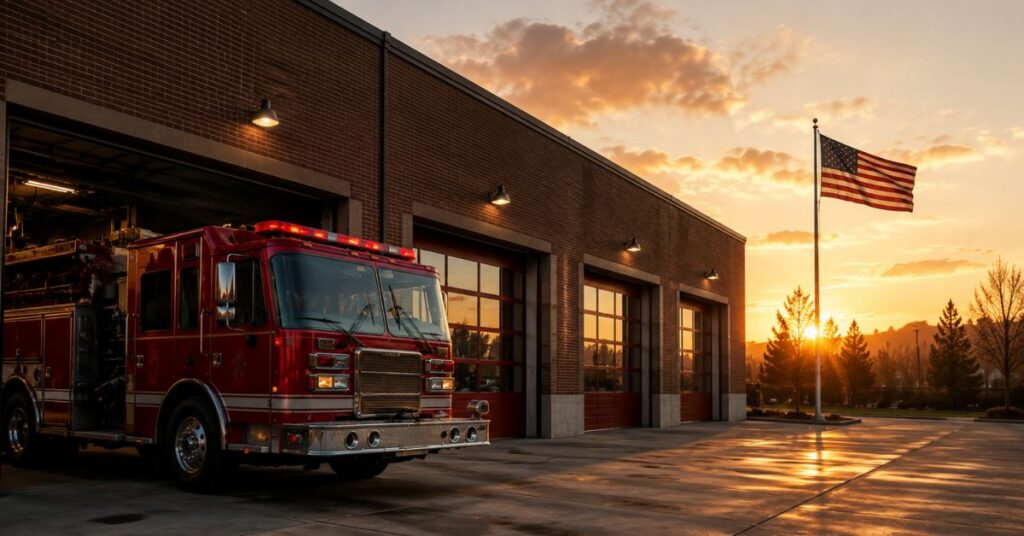
This November, voters in Richmond, California will decide on a bond measure that would fund long-needed repairs and upgrades to the city’s fire stations.
The measure, advanced by the Richmond City Council, is focused specifically on physical infrastructure, not on day-to-day department operations or staffing costs. It represents Richmond’s entry into a wider pattern across the country, where communities increasingly ask voters to approve funding for public safety facilities that municipal budgets cannot otherwise absorb.
What the Ballot Measure Would Fund
The proposal is a $120 million general obligation bond that would go toward renovating seven Richmond fire stations. Planned improvements include bringing sleeping quarters and equipment up to current codes and industry standards, repairing electrical systems, fixing leaky roofs and pipes, and reconstructing facilities identified as seismically unsound.
The measure requires two-thirds voter approval to pass, and no debt would be authorized unless voters approve it in November.
Why Richmond Says Improvements Are Needed
According to city officials, it all comes back to years of deferred maintenance and tight budgets.
At Station 66 on Clinton Avenue, for example, crews currently rely on an outdoor portable restroom. Meanwhile, the historical Station 67 has had ongoing issues with roof leaks. Councilmember Doria Robinson has described conditions at some stations as “horrendous.”
Some stations also require seismic upgrades to remain safely operational. Other facilities need to be improved before pursuing paramedic-level certification. Fire Chief Aaron Osorio has told the council the advanced life support program cannot move forward until stations are upgraded.
Why Fire Station Infrastructure Matters
Beyond Richmond, fire station facilities play a direct operational role in emergency response. Stations that meet current building and seismic standards are more likely to remain functional after disasters such as earthquakes, allowing crews to continue responding rather than relocating equipment or personnel.
Adequate facilities also affect firefighter working conditions, equipment storage, and the ability to coordinate emergency response efficiently. A well-maintained station is more likely to reliably keep responding during a major earthquake or wildfire.
The Broader Trend: Communities Funding Public Safety Through Ballot Measures
Richmond’s measure fits within a broader pattern of California communities turning to voter-approved funding for fire and emergency services.
In Contra Costa County, voters approved Measure X in 2020, a half-cent sales tax that raises about $120 million annually for medical and fire services, homelessness programs, and other safety-net needs.
In 2016, voters approved Measure O, a $251 annual parcel tax that funded operations of two fire stations for the Rodeo-Hercules Fire District.
These examples reflect a recurring reality: large capital projects, such as station renovations, often exceed what general city budgets can cover, prompting officials to seek dedicated voter-approved funding.
What Approval or Rejection Could Mean
If approved, the bond would fund renovations across seven stations, improving working conditions and long-term facility resilience, while laying groundwork the fire department says it needs before pursuing paramedic certification.
If rejected, city officials have indicated the underlying deferred maintenance issues would remain unresolved, and the path toward paramedic-level service would stay uncertain. Council members have also pointed to recent related measures at the county level, including a healthcare sales tax and a community college bond that voters rejected, as a reason for caution about this measure’s prospects.
Key Takeaways
It’s useful to see how other parts of the country have responded to similar issues. For example, earlier this year, several counties in Illinois put similar initiatives to the test. Here are some of the lessons learned.
1. Fire Stations Are Critical Infrastructure
Facility conditions directly affect emergency response capability: a station with a compromised roof, outdated electrical systems, or a structure that isn’t seismically sound may not remain fully operational during a natural disaster.
2. Deferred Maintenance Carries Long-Term Costs
Richmond’s current facility challenges are the result of years of postponed repairs and constrained budgets. Issues such as leaky roofs or outdated plumbing tend to compound over time. The longer renovations are delayed, the costlier eventual repairs become.
3. Public Safety Funding Extends Beyond Staffing
The bond measure is legally restricted to infrastructure costs and cannot be used to fund department operations, salaries, or new positions. That distinction matters in Richmond, where budget constraints have limited the city’s ability to add new positions. Workforce sustainability is one of the “hot button” issues affecting fire departments across the country, but funding will need to come from other sources.
4. Local Voters Continue to Shape Emergency Services
Richmond’s fire station funding will ultimately be decided directly by voters rather than through the city budget process alone. This reflects how significant a role the electorate plays in determining whether public safety infrastructure gets funded, and on what timeline.
Conclusion
Richmond’s November vote is about more than construction projects. It reflects how the city, like many others, is weighing infrastructure investment against fiscal constraints.
As these decisions increasingly land in the hands of voters, sustained advocacy for firefighters and EMS workers will ensure these facilities and services receive the attention they need.