
Modern firefighters face an invisible and deadly battlefield: toxic chemical exposure, rising occupational cancer rates, and acute PTSD, requiring strong legislative protections and community-backed levies.
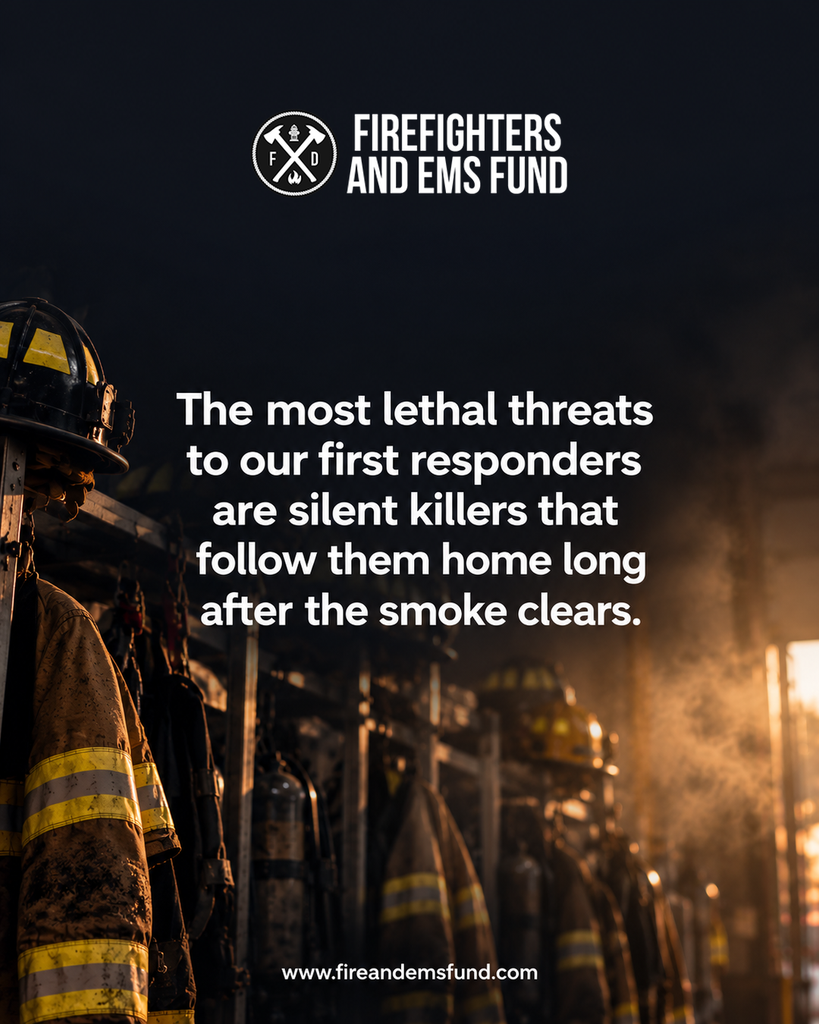
When a firefighter charges into a burning building, we hold our breath and pray for their safe return from the immediate dangers of flames and collapsing roofs. However, the most lethal threats to our first responders are silent killers that follow them home long after the smoke clears. Today, career and volunteer firefighters are fighting a quiet but devastating health crisis on multiple fronts.
Behind the heroic image of the fire service lies a stark and unsettling reality. Cancer has quietly become the leading cause of line-of-duty deaths among career firefighters, accounting for nearly 80% of firefighter fatalities. As communities grow, the mental and physical toll on first responders has reached a critical breaking point, requiring both legislative intervention and robust local funding.
Voters and legislators hold the power to directly address these health hazards. To do so, we must look beyond the immediate fire ground and confront the chemical and emotional exposures that threaten the lives of those who protect us.
The Invisible Killers: PFAS and Occupational Cancer
For decades, firefighters have worked under the assumption that their heavy turnout gear was keeping them safe from extreme heat and toxic smoke. Modern science has revealed a cruel irony: the very gear designed to protect firefighters actually contains high levels of PFAS (per- and poly-fluoroalkyl substances). These synthetic compounds, often called “forever chemicals,” are used to make gear water-resistant and fire-retardant, but they are also known carcinogens that leach into the skin during intense heat and sweat.
In addition to toxic gear, firefighters constantly inhale a dangerous cocktail of chemical particulates from burning household plastics, electronics, and synthetic building materials. This cumulative exposure over years of service leads to disproportionately high rates of brain, digestive, lung, and skin cancers. Because these illnesses take decades to develop, traditional insurance and workers’ compensation models have historically ignored them.
To solve this injustice, advocates are fighting for presumptive cancer coverage laws. A presumptive law is a legislative measure that shifts the burden of proof away from the sick firefighter and onto the insurer. Under these laws, if an active firefighter is diagnosed with cancer, the illness is automatically presumed to be work-related, guaranteeing swift access to medical care and disability benefits.
Legislative Victories on the State and Federal Stage
Recent legislative sessions have brought massive victories for firefighter health and wellness across the nation. In Virginia, lawmakers expanded state-level presumptive cancer coverage following the tragic death of Loudoun County Fire Captain Dannie Wilson. This expanded law closed dangerous gaps in the state’s workers’ compensation system, ensuring that families do not face financial ruin while battling a terminal occupational disease.
On the federal level, the Honoring Our Fallen Heroes Act was recently signed into law, expanding eligibility under the Public Safety Officers’ Benefits (PSOB) Program. This landmark legislation establishes a federal presumption for exposure-related cancers, providing critical financial support to both paid and volunteer firefighters. It covers twenty primary cancers and applies retroactively to eligible first responder deaths occurring on or after January 1, 2020.
Meanwhile, states like Tennessee have expanded their presumptive benefits to cover mental health struggles, explicitly recognizing Post-Traumatic Stress Disorder (PTSD) as an occupational hazard. First responders witness severe trauma, including child fatalities and catastrophic accidents, which can lead to debilitating psychological injuries. Under Tennessee’s James Samples Act, departments that provide mental health resiliency training can receive state grants to help fund treatment and peer support programs.
Connecting Health and Staffing: East Jefferson Fire Rescue
The battle for firefighter health is not fought solely in state capitols; it is also heavily dependent on local ballot measures. In West Washington’s East Jefferson Fire Rescue (EJFR), local leaders recently demonstrated how voter support directly impacts first responder well-being. EJFR serves over 28,000 residents across a geographically expansive 128 square miles.
Like many districts, EJFR struggled with “levy erosion” due to Washington’s strict 1% annual property tax growth limit. While call volumes rose and inflation drove up operational expenses by 3% to 4% annually, the district’s funding fell behind. This revenue gap threatened to cause severe staffing shortages and forced the department to operate with outdated equipment.
To protect their crew and community, EJFR placed Proposition 1 (Fire Levy Lid Lift) and Proposition 2 (EMS Levy Lid Lift) on the February 10, 2026 ballot. Voters responded with overwhelming approval, resetting the fire levy to $1.40 per $1,000 of assessed value and the EMS levy to $0.50. For a home valued at $350,000, this cumulative reset cost homeowners just $87.50 annually.
This local funding is directly tied to firefighter health and safety. The approved levies allow EJFR to maintain safe staffing levels, which prevents physical exhaustion and reduces the cumulative exposure firefighters face on long shifts. It also funds modern, standardized equipment, specialized medical gurney systems, and advanced training to keep personnel safe in the field.
A Simple Action Plan for First Responder Advocates
Protecting the health of our local firefighters requires consistent, proactive support from community members. Here is how you can take action today:
- Advocate for PFAS-Free Gear: Support local and state initiatives that provide funding for fire departments to purchase next-generation turnout gear free of harmful forever chemicals.
- Support State Presumptive Laws: Write to your state representatives and urge them to expand presumptive coverage laws to include a wider range of occupational cancers and PTSD treatments.
- Vote YES on Local Fire Levies: When local fire and EMS levies appear on your ballot, vote to reset them to ensure your local department has the staffing and training needed to operate safely.