
National political noise threatens to overshadow vital local fire and EMS referendums during the midterm elections, making down-ballot voting a literal matter of life and death.
The national political stage often dominates our screens, filling our feeds with high-stakes campaigns and partisan debates. Yet, the most critical decisions affecting our immediate safety are quietly waiting at the very bottom of our ballots. Across the country, local fire departments and emergency medical services (EMS) are fighting a silent battle for survival, relying on voters to notice their struggle amid the noise.
In a world where seconds count, the stability of our local emergency systems should never be taken for granted. However, many taxpayers remain unaware that their local departments are facing an unprecedented operational and financial crisis. Without proactive community support and voter awareness, the safety net we all depend on may not be there when we need it most.
The Quiet Crisis in Our Neighborhoods
Our local emergency response systems are built on a foundation that is cracking under pressure. For decades, small towns and suburban communities have relied heavily on volunteer firefighters and paramedics to keep them safe. But today, volunteerism is at an all-time low, leaving local departments severely short-staffed and struggling to cover shifts.
As fewer people volunteer, the cost of advanced medical equipment, modern firetrucks, and proper safety training continues to skyrocket. Many local districts are operating with apparatus that are decades old and safety gear that is dangerously outdated. Without stable, dedicated local funding, departments are forced to delay critical maintenance and cut back on active response personnel.
When local budgets dry up, response times inevitably drag. In emergency situations, a delay of even sixty seconds can be the difference between life and death. We cannot expect our first responders to protect our families if we refuse to provide them with the basic tools and staffing to do their jobs safely and effectively.
Understanding the Ballot: Translating Municipal Jargon
When you look at your local ballot, you’ll often see confusing technical terms that make it hard to understand what you are actually voting on. To make informed decisions, it is essential to break these down into simple, everyday concepts:
- Tax Levy: A local tax rate placed on property to raise dedicated revenue for essential public services like schools, police, and fire protection.
- Millage: A specific unit of property tax equal to one dollar for every one thousand dollars of your property’s assessed value.
- Essential Service: A critical public safety program that a local government is legally recognized or required to support and fund.
Surprisingly, while police and fire departments are almost always classified as essential, EMS is not legally recognized as an essential service in many states. This legal loophole leaves vital ambulance operations highly vulnerable to severe budget cuts and sudden closures.
A Real-World Case Study: Mills County, Iowa
To understand how these ballot measures impact real communities, we only have to look at the ongoing struggle in Mills County, Iowa. Mills County is a rural community of about 14,000 residents that does not have its own hospital. Because there is no local hospital, when an ambulance transports a patient, that crew is out of service for up to an hour traveling to the nearest facility in another county.
Local officials and the Mills County EMS Advisory Council have sounded the alarm. Glenwood Fire Chief Matt Gray noted that call volumes are rising rapidly, but local staffing is at a critical level. County Supervisor Richard Crouch openly warned that “volunteerism has went to zero,” leaving a handful of dedicated, exhausted responders to carry the entire load.
To solve this, the county took the first step by officially declaring EMS an essential service. Initially, the county planned to put a 75-cent tax levy on the general election ballot to fund these services. For a family living in a $210,000 home, this 75-cent levy would have cost about $75 a year—or just $6.25 a month.
However, local leaders realized that 75 cents would only keep their failing, bare-minimum system afloat. A crucial state code change went into effect, allowing counties to levy up to $1.50 per $1,000 of property valuation. Realizing that they needed the full $1.50 to build a reliable, professional, paid staffing system, county supervisors made a tough choice.
Rather than rushedly pushing a 75-cent levy on the November ballot, they decided to wait and schedule a special election. This delay gives the community time to understand the stakes, but it also leaves first responders waiting in limbo. The situation in Mills County shows that when we ignore local ballot measures, we put our neighbors’ lives on the line.
Why Down-Ballot Votes Matter Most
It is easy to get swept up in the high-stakes drama of national campaigns. We are bombarded with advertisements about state governors, congressional control, and presidential races. But the truth is, the laws and funding measures decided at the very bottom of your ballot have the most immediate impact on your daily life.
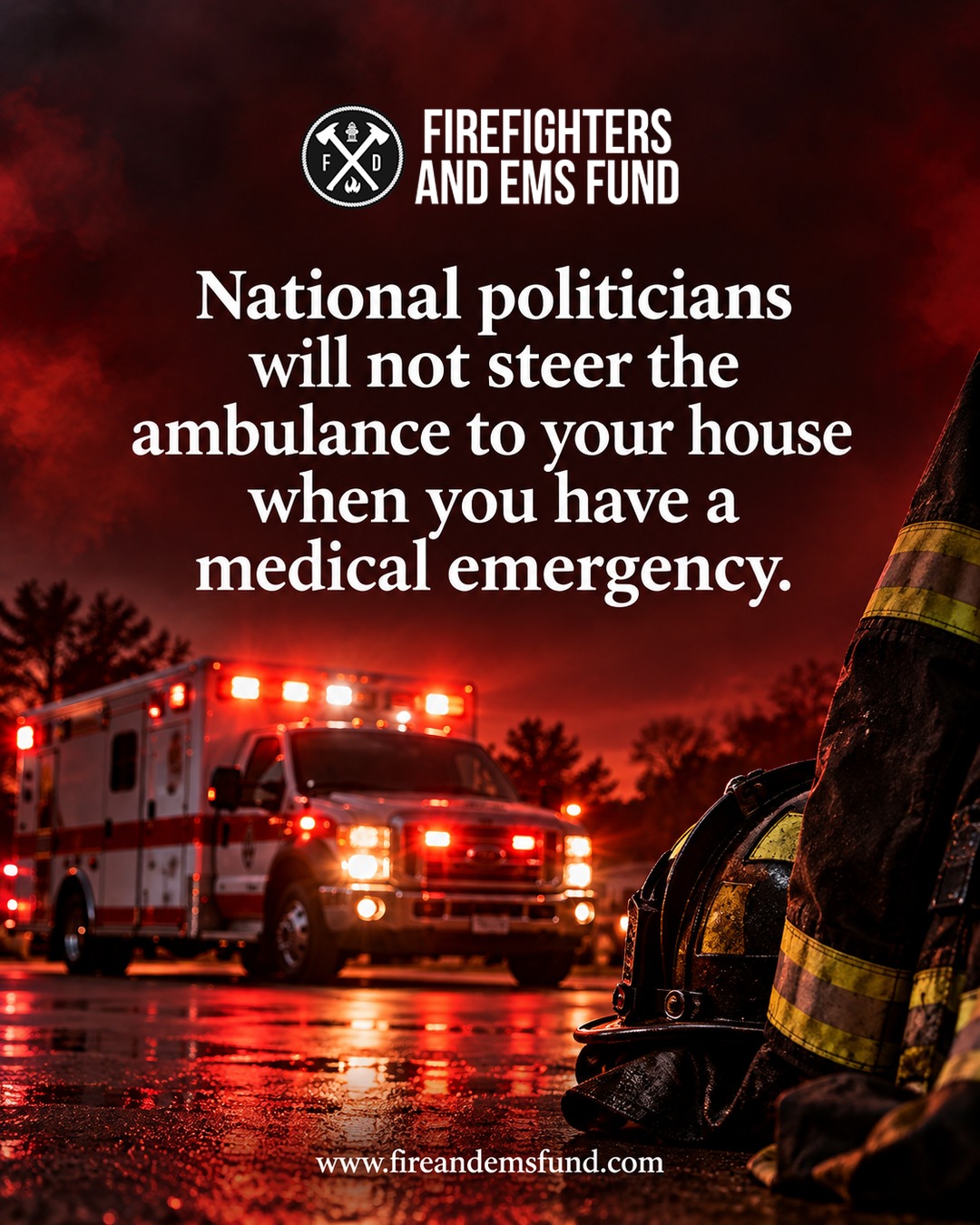
National politicians will not steer the ambulance to your house when you have a medical emergency. State legislators cannot buy the heavy-duty hydraulic tools needed to pull a victim from a car wreck. These life-saving operations are funded directly by your local taxes, levies, and municipal bonds.
In midterm elections, overall voter turnout is historically much lower than in presidential years. This means that just a handful of local votes can decide whether a fire levy passes or fails. When you skip the local ballot measures, you are letting a tiny minority make crucial decisions about your family’s safety.
A Simple 3-Step Action Plan for Voters
You don’t have to be a municipal budget expert to make a massive difference. Here is how you can step up and protect those who protect us:
- Study Your Local Ballot Early: Don’t wait until you are in the voting booth to read about complex levies or millages. Visit websites like Ballotpedia or your county auditor’s page to review a sample ballot before election day.
- Support Essential Service Designations: If your community is voting on whether to classify emergency medical services (EMS) as an “essential service,” vote YES. This classification ensures that your local government is legally required to fund and maintain ambulance services.
- Spread the Word to Neighbors: Talk to your friends and family about the importance of down-ballot voting. Explain to them that local safety measures are just as important—if not more so—than the big-ticket national races.