Last June, a bipartisan group of U.S. senators introduced legislation to accelerate development of safer protective gear for the nation’s firefighters. The Protecting Firefighters and Advancing State-of-the-Art (PFAS) Alternatives Act was sponsored by a bipartisan team of Senators and would direct federal funding toward research into turnout gear free of PFAS.
The bill, designated S. 4844, arrives as PFAS exposure has become one of the fire service’s most closely watched health and safety topics. This reflects a bipartisan effort to address occupational exposure risk without asking departments to change current equipment overnight.
What Are PFAS?
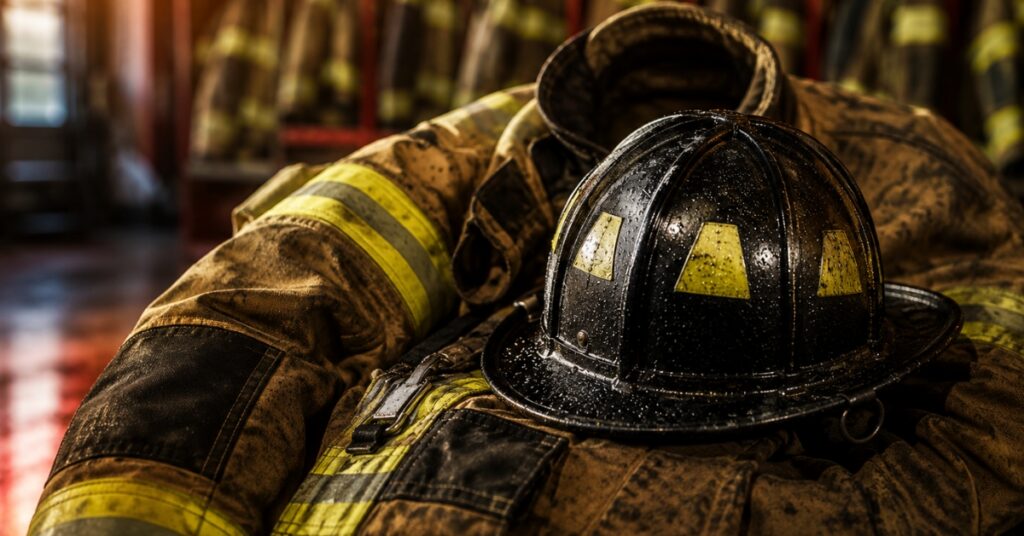
PFAS are “per- and polyfluoroalkyl substances,” a large class of artificial chemicals, often used to manufacture heat- and water-resistant gear. Materials made with PFAS are often very durable, making them very useful for the outer shells of turnout gear, as they can protect firefighters from heat, flame, and hazardous liquids.
In recent years, growing research attention has turned to what sustained exposure to PFAS-treated gear may mean for firefighters over a career. Firefighters face a much higher risk of cancer when compared to the general population, although researchers have not been able to pinpoint a specific reason for this.
What Would the PFAS Alternatives Act Do?
Rather than banning current equipment, Bill S.4844 would establish a $25-million federal research program within the National Institute for Occupational Safety and Health. The Secretary would award grants to eligible nonprofits, universities, and national fire service organizations to support research, development, and testing of next-generation, PFAS-free turnout gear.
These grants will also require research organizations to partner with organizations representing frontline firefighters. This ensures the guidance and products they develop reach those who wear the gear.
One important aspect of this bill is that it earmarks $2 million per year specifically to research gear decontamination and maintenance, ensuring the sustainability of any new initiatives.
Notably, the legislation focuses on funding innovation and collaboration between government agencies, researchers, standards organizations, and manufacturers, rather than mandating immediate replacement of gear already in service.
Why PFAS Has Become Such an Important Fire Service Issue
Turnout gear has historically relied on PFAS for the water resistance and durability firefighters depend on in dangerous conditions. Research cited in support of the legislation has linked PFAS exposure to a range of adverse health effects; gear textiles can also absorb carcinogens encountered on the fireground, and standard laundering cannot fully remove these contaminants.
This creates a genuine tension: removing PFAS from turnout gear isn’t simply a matter of substitution. Any alternative materials must offer the same level of protection from thermal, chemical, and biological hazards, or the gear stops doing its job. In states like Virginia, occupational exposure and long-term health are a routine source of debate for firefighting unions.
Challenges in Developing PFAS Alternatives
Replacing PFAS in turnout gear is technically demanding. Any new material must still meet National Fire Protection Association standards for thermal protection, moisture barriers, durability, and chemical resistance, and pass rigorous testing before adoption. Manufacturing costs and scalability also affect how quickly alternatives move from lab to fireground.
The bill’s structure reflects this complexity by funding sustained research and directly addressing gear maintenance. Departments often need to balance cost-efficiency, on-the-ground protection, and sustainability when evaluating equipment against readiness during dangerous incidents. This was a key concern when examining the aftermath of the Colorado Wildfires.
What This Could Mean for Fire Departments
If the funded research succeeds, it could eventually shape future PPE purchasing decisions. But before this happens, departments across the country will need to update their standards and internal codes and plan their procurement budgets accordingly.
Any changes to field equipment would likely unfold gradually, as new materials are developed and assessed. Still, the announcement may be enough to boost firefighter confidence, especially as the industry struggles to retain workers.
The Bigger Picture: Investing in Firefighter Safety
Protective equipment is only one piece of a larger picture. Fire departments and advocates continue to push for larger investments to build safer fire stations and increase their readiness. But to get these funds, some jurisdictions need approval from local governments, or even from voters directly through bond measures.
Key Takeaways
Although this bill is not yet law, the debate around Fire & EMS issues should remember four key considerations:
1. Firefighter safety continues to evolve beyond fireground protection into long-term occupational health.
2. Any PFAS alternative must meet the same rigorous standards as current gear before wide adoption.
3. Developing safer equipment takes time, testing, and collaboration across government, researchers, and industry.
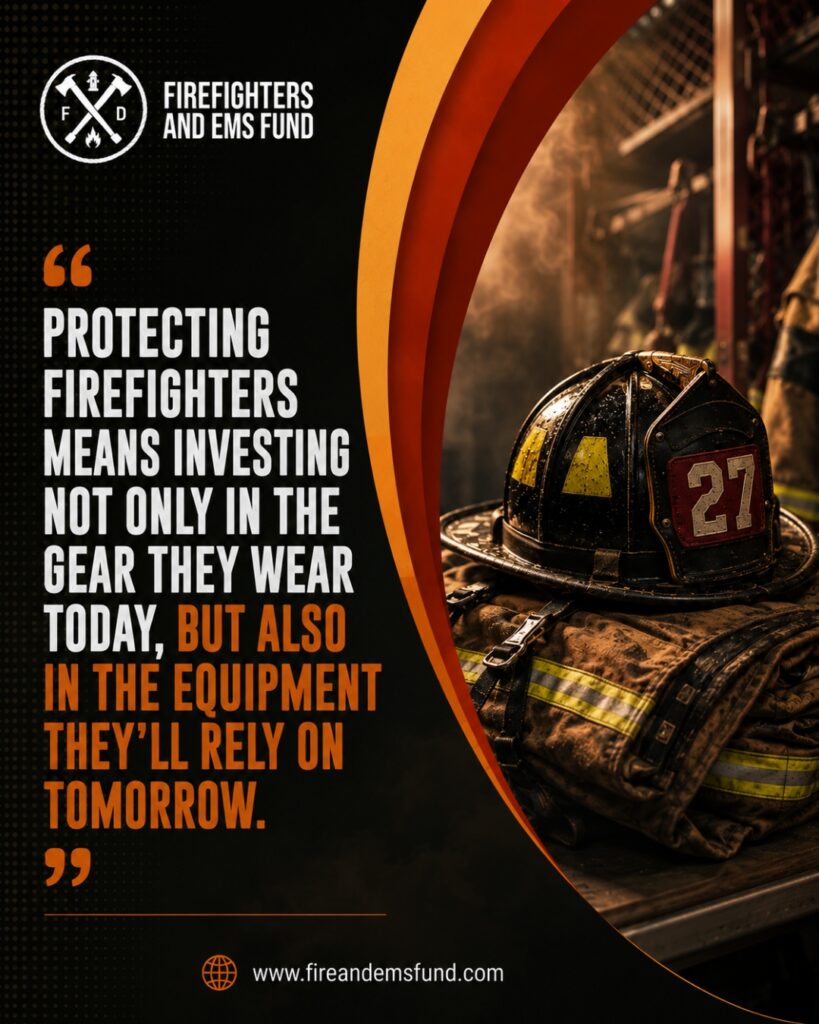
4. Protecting firefighters is also a long-term investment, as it encompasses research initiatives, building new infrastructure, and equipment maintenance alike.
Final Thoughts
The PFAS Alternatives Act represents an investment in the future of firefighter protective equipment, not an immediate change to the gear firefighters wear today. Balancing operational performance with long-term health considerations will remain central as the bill moves through Congress.