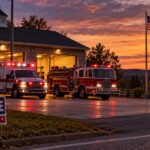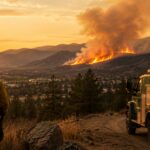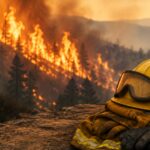

Over the past few years, wildfire seasons across the western United States have grown longer. As fires grow more frequent and destructive, the bill to manage them keeps climbing. At the same time, state governments are now being pushed to invest in fire mitigation, upkeep their emergency response systems, and prevent these fires from becoming disasters in the first place.
That shift raises a central question: are current investments enough to keep communities and firefighters safe, or are states still playing catch-up once a fire is already burning?
Wildfire Costs Continue to Rise
The cost of fighting wildfires, and of rebuilding after them, is increasingly outpacing what many states have budgeted.
According to a 2022 analysis by Pew Charitable Trusts, most states draw on their general fund to pay for wildland fire costs. This is the same pool that covers schools and healthcare, putting firefighting and prevention in direct competition with them and forcing lawmakers into uncomfortable choices.
But how far are we going to overbudget? The numbers are often dramatic. In 2024, Oregon spent more than $350 million fighting wildfires, far exceeding the roughly $10 million it had originally allocated. Rising suppression costs have also squeezed funding for mitigation work, like prescribed burns and mechanical thinning, leaving state forest land more vulnerable the following season. Meanwhile, drought is also driving above-average wildfire predictions across the West this summer.
As in the aftermath of the Colorado Wildfires, these factors underscore how firefighter safety hinges on long-term investments rather than single-season purchases.
California’s Latest Investment in Wildfire Prevention
In California, past disasters are fueling the drive to take a more proactive approach to wildfire prevention, rather than focusing solely on mitigation.
During Wildfire Preparedness Week, Governor Gavin Newsom announced up to $70 million in grant funding for community-focused wildfire prevention and resilience projects, funded through the state’s Proposition 4 Climate Bond. These grants will support locally led work such as clearing vegetation, maintaining firebreaks, community chipping days, evacuation planning, and educational workshops.
These funds will add to the $566 million that CAL FIRE has already invested in fire prevention over the past six years. Recent projects include a 410-acre fuel reduction project in Siskiyou County near homes and evacuation routes, a 556-acre project in Alameda County near roughly 22,000 homes, and roadside fuel reduction across 282 acres in San Bernardino County protecting more than 37,000 structures.
This is part of a broader pattern of states investing in emergency-service infrastructure ahead of need, similar to the debate playing out in Richmond, where new ballot measures tried to kick off broader investments in public safety
Why Prevention Costs Less Than Recovery
The case for prevention rests on a simple premise: the work done before a fire starts is meant to reduce the severity and cost of fires that do occur. This includes fuel reduction, optimizing defensible space, planning evacuation routes and resources, and conducting year-round forest health projects.
Although their dollar-for-dollar cost may be hard to quantify, these ongoing investments will reduce wildfire incidence and make early sparks less likely to spread. The result is sharply lower costs in fire suppression, property losses, evacuation, and rebuilding damaged infrastructure.
When calculating these savings, it’s important to consider suppression and prevention as distinct categories: suppression funds the fight against fires already burning, while prevention funding aims to reduce how often and how destructively fires ignite.

Challenges Facing Western States
Even with new funding mechanisms in Oregon and Utah, states face real constraints. General funds are stretched across competing priorities, suppression costs keep outpacing original budgets, and drought is pushing wildfire risk higher across the West. Meanwhile, new residential developments have now brought more people living in wildfire-prone areas, increasing death tolls.
Keeping pace with bigger, deadlier wildfires is increasingly difficult. Balancing stable prevention funding with enough for an aggressive response will remain one of the top Fire & EMS issues in the coming years.
What This Means for Fire Departments
For fire departments, preparedness funding supports far more than suppression itself. Grant-funded projects like evacuation route maintenance, firebreak construction, and vegetation management shape how defensible a community is before a fire starts, and how much risk firefighters face once one does. Stable, year-round investment helps determine whether departments operate from readiness and keep people safer than large spending packages tied only to active fire.
Key Takeaways
When we look at the Western U.S. as a whole, we can draw 4 important lessons:
1. Wildfire Preparedness Requires Year-Round Investment: prevention, mitigation, and planning begin long before wildfire season starts, and should be part of the permanent budget.
2. Wildfire Costs Are Increasing Faster Than Many Budgets: For states like Oregon, wildfires are now an acute financial pressure, and costs are expected to rise further.
3. Prevention Is Becoming a Larger Priority: States such as California are pairing emergency response with resilience and prevention strategies.
4. Funding Decisions Affect Long-Term Public Safety: Stable investment helps protect communities, firefighters, and critical infrastructure alike.
Final Thoughts
Wildfire preparedness is increasingly a long-term investment rather than a seasonal expense, and western states face difficult funding decisions as risks continue to evolve.
Rather than increasing suppression budgets, a sustained investment in prevention and emergency preparedness will remain essential for protecting both communities and the firefighters who serve them.
For those of us who are committed to keeping firefighters safe, it’s imperative to support local measures that support this approach. Donate to help us make this happen.