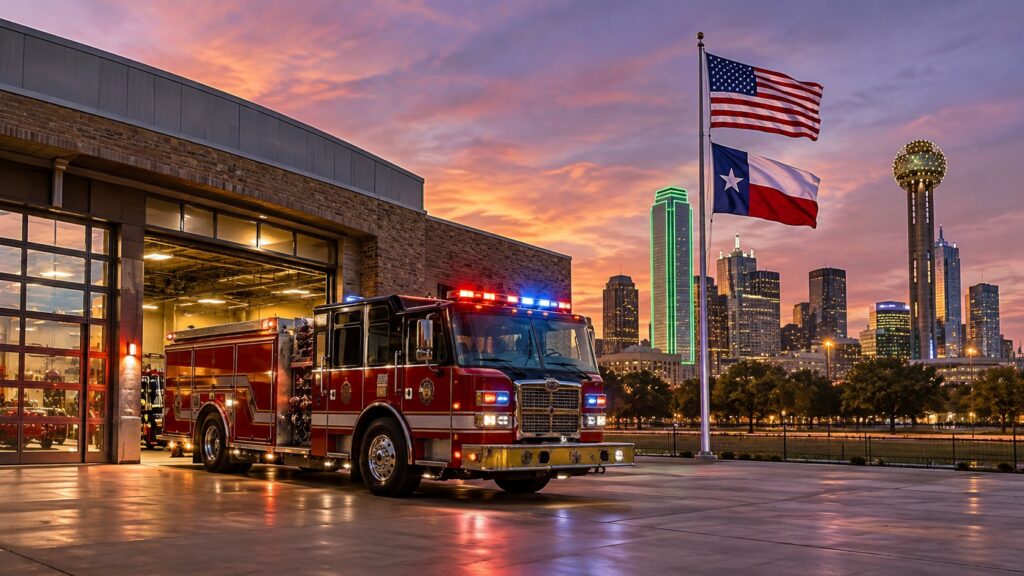
This November, Dallas voters face a critical choice to approve Proposition A, a historic investment to modernize aging fire facilities and build a state-of-the-art training academy.
As Dallas continues its rapid expansion into one of the nation’s most dynamic metropolitan hubs, the strain on its emergency responders has reached an all-time high. Behind the city’s glittering skyline, the men and women of Dallas Fire-Rescue (DFR) are quietly operating out of stations that are decades past their prime. Many of these physical facilities were designed for a bygone era when call volumes were a fraction of what they are today.
Our local emergency response systems are built to withstand natural disasters, but they cannot survive decades of structural neglect. Outdated firehouses lead to slower response times, higher maintenance costs, and a lack of proper living quarters for diverse crews. This November 3, Dallas voters will decide whether to authorize Proposition A, a massive $443 million general obligation bond to completely overhaul the city’s public safety infrastructure.
The Physical Strain on Our Frontline Heroes
Many of the city’s active fire stations were built in the mid-20th century and lack the physical space to house modern, heavy-duty ladder trucks and medical response units. Additionally, these aging facilities lack separate sleeping quarters and restrooms, which are essential for accommodating a modern, diverse firefighting force. Operating out of cramped, outdated spaces also limits the department’s ability to store critical medical gear and rescue equipment safely.
Furthermore, Dallas has long struggled with an obsolete training facility that limits the department’s recruitment and preparation efforts. New recruits and active personnel require hands-on, modern training to prepare for complex high-rise fires, active shooter scenarios, and hazardous material spills. To address these critical facility deficits and keep pace with the city’s rapid growth, local leaders placed Proposition A on the upcoming ballot.
Before examining the plan, it’s helpful to understand the legal language on the ballot. A general obligation bond is a form of voter-approved municipal debt repaid through property taxes, legally restricting all funds to the specific public improvements listed. Under Texas state law, the ballot must display the warning, “THIS IS A TAX INCREASE,” to notify voters that approving the debt authorizes the city to levy property taxes sufficient to cover the interest and principal.
Inside the $443 Million Proposition A Blueprint
If authorized by a simple majority of voters, Proposition A will fund a sweeping modernization of the city’s safety infrastructure. The bond proceeds will enable Dallas to construct, expand, and equip facilities for police, fire, and emergency services:
- A Brand New Joint Public Safety Academy: A substantial portion of the bond will fund a state-of-the-art training complex for both fire-rescue and police recruits.
- Station Rebuilds and Relocations: Aging, structurally compromised firehouses in high-density neighborhoods will be demolished and rebuilt to maintain rapid response times.
- Essential Facility Modernizations: Older stations will receive structural repairs, roof replacements, and upgraded locker rooms and restrooms to improve firefighter health and wellness.
- Upgrades to Emergency Communication Systems: The bond will fund critical technology integrations to ensure 911 dispatchers can seamlessly coordinate emergency crews in the field.
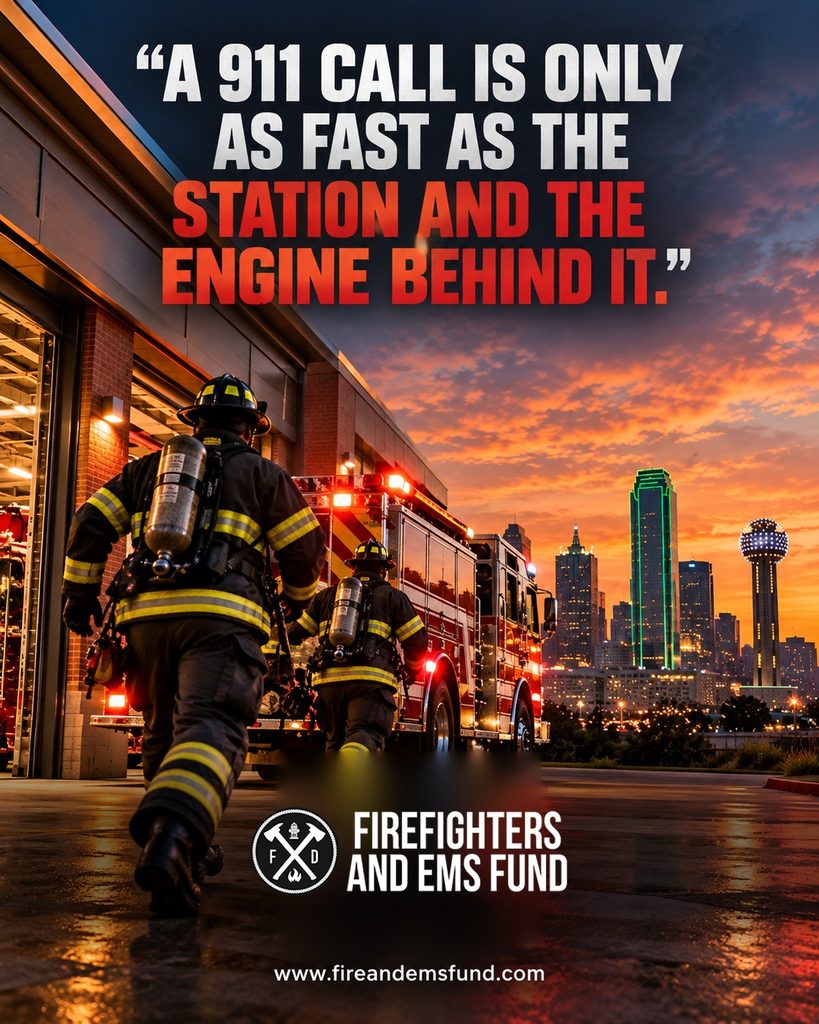
These physical upgrades directly affect the survival rates of local residents. According to medical experts, brain damage from oxygen deprivation begins within just four to six minutes of a cardiac event. Having modern, strategically located stations ensures that paramedics are positioned closer to your neighborhood, preserving those critical, life-saving seconds.
The Financial Math of Proposition A
The total repayment amount for Proposition A, including principal and interest based on current market conditions, is estimated at $629,618,180. Opponents of the bond argue that authorizing such massive debt places a heavy financial burden on local taxpayers, especially at a time when property taxes and inflation are already high. They urge the city to practice strict fiscal discipline and prioritize repairs within the existing general operating fund.
Conversely, public safety advocates and first responder groups emphasize that delaying these construction projects will only guarantee higher costs in the future due to inflation. They argue that maintaining safe neighborhoods is a fundamental requirement for attracting new businesses, protecting home values, and securing the city’s economic future. Ultimately, Dallas voters must weigh the long-term cost of property taxes against the immediate need for a reliable, modern emergency response system.
A Simple Action Plan for Dallas County Voters
You can play an active role in deciding the future of your local emergency services by taking these three simple steps:
- Review the Sample Ballot: Visit the Dallas County elections website to review the exact ballot wording for Proposition A before heading to the polls.
- Bring Proper Photo Identification: Under Texas law, voters must present an accepted photo ID, such as a Texas driver’s license or U.S. citizenship certificate, to vote in person.
- Encourage Friends to Finish the Ballot: Remind your family and neighbors to scroll all the way to the bottom of their tickets, as Proposition A sits below the high-profile national races.